• free with beautiful sexy babes
  • Free porn videos sex movies
  • Watch FREE hot


  • This page will automatically close after clicking one of the links above
    Thank you!

    Showing posts sorted by date for query One Piece. Sort by relevance Show all posts
    Showing posts sorted by date for query One Piece. Sort by relevance Show all posts

    2009The Best SRS Aerokit SpeedART Porsche Cayman Gallery


    The Best SRS Aerokit SpeedART Porsche Cayman Gallery SRS Aerokit SpeedART Porsche Cayman
    SRS Aerokit SpeedART The Sports Car Porsche Cayman a Sporty and Elegant.
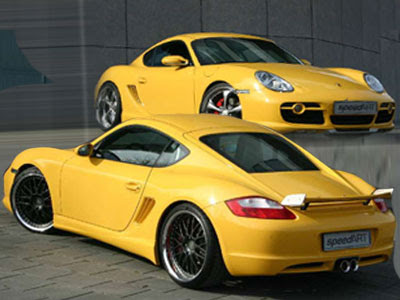
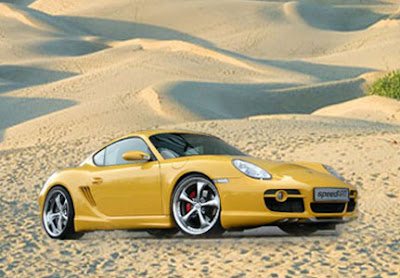
    The SRS Aerokit from the German tuning firm SpeedART is a subtle and stylish way to spruce up the Porsche Cayman or Cayman S.
    Unlike many bodykits which radically alter the appearance and persona of the car - sometimes for the good, but all to often for the bad - the SRS Aerokit is extremley in tune with the overall shape of the Cayman.The aerodynamic modifications include a 3-piece front chin spoiler - which provides additional downforce over the front axle, new deeper sideskirts, and an adjustable rear spoiler which has a distinct racing look to it. SpeedART have certainly taken the 'less is more' approach to design, and it's paid off.
    A newly-enlarged 2.9-litre flat-six engine develops 255 bhp in the Boxster and 265 bhp in the Cayman, an increase of 10 and, respectively, 20 bhp over preceding models. The 3.4-litre power unit in the S versions, benefiting from Direct Fuel Injection, now delivers 310 bhp in the Boxster S and 320 bhp in the Cayman S, up by 15 and 25 bhp.
    SRS Aerokit SpeedART Porsche Cayman
    The new Boxster and Cayman are significantly more fuel-efficient than their predecessors. The new 2.9-litre Boxer engine sips 8.9 litres of fuel per 100 kilometres (combined) – 11 per cent less than the former models with Tiptronic S. Reducing fuel consumption by 16 per cent to 9.2 litres/100 kilometres, the 3.4-litre versions with PDK offer an even greater saving.
    For the first time, both models are available with a Lights Package featuring bi-xenon headlights, dynamic curve lights and LED daytime driving lights. Replacing the foglamps, these light units are made of four LEDs positioned next to one another on the Boxster, while on the Cayman four LEDs are arranged in round light units like the eyes of a dice.
    The Boxster and Cayman are available for the first time with the seven-speed Porsche-Doppelkupplungsgetriebe, or PDK, which replaces the former Tiptronic S. Equipped with this double-clutch gearbox, the roadster and coupé accelerate to 100 km/h 0.1 seconds faster than with the six-speed manual fitted as standard on all models.

    The Best SRS Aerokit SpeedART Porsche Cayman Gallery
    SRS Aerokit SpeedART Porsche Cayman
    PDK cars’ acceleration is even more dynamic with one of the optional Sports Chrono Packages featuring Launch Control for maximum acceleration from a standing start, while the Race Track Gearshift Strategy offers the fastest possible shifting on the track. With Launch Control, the respective models accelerate from a standstill to 100 km/h another 0.2 seconds faster. (For instance, the Cayman S with PDK and Launch Control accelerates to 100 km/h in 4.9 seconds, while the base Boxster with its new six-speed manual gearbox completes the same exercise in 5.9 seconds.)A new suspension set-up gives the new models a combination of even greater driving dynamics and enhanced comfort. Steering forces have been further reduced, giving the Boxster and Cayman even more agile and spontaneous steering behaviour.

    The Best SRS Aerokit SpeedART Porsche Cayman Gallery
    SRS Aerokit SpeedART Porsche Cayman
    The wheels come in new designs and are half an inch wider on the Boxster and Cayman than in the past in order to accommodate the larger brake system from the S models on the front axle. All Boxster and Cayman models feature the latest generation of Porsche Stability Management (PSM), with two additional functions: Brake Pre-Loading and Brake Assistant.


    The Best SRS Aerokit SpeedART Porsche Cayman Gallery SRS Aerokit SpeedART Porsche Cayman
    Whenever the driver lets go of the gas pedal very quickly – which is typical of an upcoming emergency braking manoeuvre – the PSM control unit builds up an appropriate level of pressure on the brakes before the driver even presses down the brake pedal, moving the brake pads slightly towards the discs, which significantly improves brake response and shortens stopping distances accordingly.

    The Ferrari F430 Spider


    The Ferrari F430 Spider

    What was intended to be a unique revision of the 1999 360 Modena, the Ferrari F430 Spider ended up being a stand alone art form. Another spotless dream child of Pininfarina's, The F430 Spider is a sleek, top of the line in a top of the class, registering one of the best reviewed new cars in the V-8 class of sports cars.
    Her sleek yet muscular body frame is more than just teasing to the eyes, it was specifically designed using state of the art, knock your socks off, computer assisted imaging programs that are exclusively used by the F-1 team. Not a single detail of performance handling or speed inclination was overlooked, and the results stand high above the rest.
    Starting out with what were supposed to be subtle adjustments in refining what was already considered a refined piece of machinery, the subtle was lost as the F430 took on a personality all her own. Her new high finish stainless tailpipes stare down at the competition as her 483 horses and 343 pounds per foot of torque leave her competition staring at her hindquarters.
    What seems like a small 20% increase in the Modena's original 3.6 liters of cubic capacity coupled with the larger displacement rumbling V-8 and the new and improved 4 valve cylinder heads adds up to an additional 91 horses and 67 pounds per foot of torque. For the mathematically challenged like myself that all adds up to a roaring 0-60 in just under 4 seconds and an enhanced top speed of 193 miles per hours. Quite a step 20% can provide.
    The Ferrari F430 Spider was ceremoniously unveiled to enthusiasts and critics alike at the 2005 Geneva Motor Show, under a cacophony of flash bulbs and of course a sense of breathlessness that matched an undescribed anticipation to get her out on the open highway.
    The F430 Spider came with a new and improved wind deflection system, a little reworking provided a functionally revised convertible top, and of course the updated and more-than-ready-to-show-you-what-it's-all-about instrument binnacle shone like a beacon from inside the vehicle. Tiny details created an obvious statement about the newest member of the Pininfarina family, right down to the embossed driver's side view mirror shell telling curious onlookers that of course this is an original F430.
    With a sleeker central tunnel and electronic differentials that screamed of creative innovation, everything from the basic lines and eye pleasing corners of the car to the traction and handling improvement aimed for all types of roadway conditions oozed out over the Ferrari F430 Spider's sudden explosion onto the car scene.
    Of course, onlookers marveled at the steering wheel mounted well thought out innovative design of the commutator switch allows for quick and easy set up of the car's adjustment features. The body shape underwent extensive testing to produce an all out hard to improve upon design that includes such features as a pronounced molder that is handsomely integrated in the engine cover, which is delicately covered in glass, giving it the appearance of a casing just for the heart of the beast. The larger rear intakes pronounce the vehicle's muscular heart, belying its graceful pose. The rear valance cleverly incorporates a diffuser of high class, state of the art competitive nature. Derived from the best in racing, the 430 Spider is a conglomerate of high tech features that smooth into one easy to handle high test version of Pininfarina's time tested performance cars. Unlike innumerable replacement models and redesign hot shots, the F430 Spider comes to the floor without redundancy.
    At 177.6 inches in length and 75.7 inches wide, the F350 spider came with more punch for its size than all of her predecessors. The spoiler that gracefully meets both intakes handsomely and effectively drives the F430 toward the ground as she picks up speed, proving that functionality doesn't have to state anything other than beautiful. The intakes themselves are naturally a continuation of the 1961 dream run in the F-1 Championship. Inspired by tradition yet reflecting a modern era of intensity, the effectiveness of these intense designs is a bit overwhelming in their strength and subtlety.
    Just like every generation of Ferrari super creations, the F430 Spider has had every detail of performance, style and function considered, perfected, and reconsidered to produce what only the Ferrari name could produce. This $200,000 dream machine is untouchable by most standards but carries her grace just like the rest of the Ferrari family. Critics recently condemned Ferrari for their classical approach to innovative design, encouraging them to step outside the box. What these critics don't realize is that the classical approach to innovative design is exactly what creates the Ferrari family, and to deviate from it would be blasphemous to the Ferrari principles.
    The F430's grace on the eyes translates equally to grace on the road way. With the sleeker and more aerodynamic suspension, the finely tuned body design, and the attention to every possible functional detail, the F340 glides over the roadway with an ease that is reminiscent to gliding on cloud fringed skylines. A driver can feel his own pulse throb through his chest as he cranks her over for the first time, the pulsing of the engine practically begs for attention. Her desire for heat flash speed can outweigh the driver's, and in fact can intimidate those who have never felt the power of high class F-1 rumbles underneath their fingertips.
    As is true to the Ferrari legacy and good name, with each new unveiling, there will be cars ahead of the F340 that will create an equal stir. But the F340 will fight to be unforgotten, and in fact will readily turn herself into one of those legendary classics that screamed onto the high performance car scene and refused to stop screaming ever since. She will be a perpetual delight and take her rightful place among the queens of the speedway, her pulsating thrum will echo for generations to lust after, learn from, and envy along the way.

    The New Minivan Model Citroen C3 Picasso


    The Citroen C3 Picasso is a new minivan model with a body, smaller than the C4 Picasso.

    2009 Citroen C3 Picasso

    The New Minivan Model Citroen C3 Picasso | Luxury Sports Car Photos
    Citroen C3 Picasso

    The Citroen C3 Picasso measures 4.08 m long, 1.73 m wide and 1.62 m high. I.e. the Citroen C3 Picasso has the same length as a Nissan Note but is more wide and high, which should exert a more spacious. Among the cars in its class, the Opel Meriva is wider in the rear seat, but the Note, the Renault Grand Modus and Ford Fusion are closer.

    The New Minivan Model Citroen C3 Picasso | Luxury Sports Car Photos
    Citroen C3 Picasso

    In return, the Citroen C3 Picasso is the one that has less space for legs, despite being one of the longest. It has five seats. Its trunk is the peak (between 385 and 500 l, depending on the position of the rear seats).

    The New Minivan Model Citroen C3 Picasso | Luxury Sports Car Photos
    Citroen C3 Picasso

    The rear bench can be moved lengthwise 150 mm, which is used to configure the interior space as needed. Thus, if what you want is the largest cargo capacity, enough with the rear seats forward to the full to obtain 500 liters of luggage, a very large given the length of the Citroen C3 Picasso. The tailgate has a wide area and left a large hole for loading and unloading of luggage.

    The New Minivan Model Citroen C3 Picasso | Luxury Sports Car Photos
    Citroen C3 Picasso

    In addition, the rear seat can reduce activation levers that there are some on the back. In doing so, is a flat cargo area, thanks to a piece that moves in the trunk. The backing of the front passenger seat also strikes can be used as a small table.

    The New Minivan Model Citroen C3 Picasso | Luxury Sports Car Photos
    Citroen C3 Picasso

    In the carrier's position highlights the instrument panel, which is located in the center of the dashboard (as in the Citroen C4). Among the various elements of hardware that may have air conditioning are the two areas, a panoramic glass roof that covers an area of 4.52 sq meters, sensors aid or automatic connection to the Citroen C3 Picasso park of lights and wipers.

    The New Minivan Model Citroen C3 Picasso | Luxury Sports Car Photos
    Citroen C3 Picasso

    The range of engines consists of two petrol and two diesel engines, all of whom are already used in other models of Peugeot and Citroen. The gasoline is produced in collaboration with BMW, have indirect injection and variable distribution 'Valvetronic' are a 95 hp 1.4 liter and 1.6 liter 120-hp. Diesels share the same block of 1.6 liter but with different power: 90 and 110 hp.

    The New Minivan Model Citroen C3 Picasso | Luxury Sports Car Photos
    Citroen C3 Picasso

    The quality of materials and adjustments in the interior of the Citroen C3 Picasso is clearly better than the C3 with a body of tourism. The design is different, the materials used and every detail of the auction are more care from the moment of design. There are more plastic coated, and set off pieces.

    The New Minivan Model Citroen C3 Picasso | Luxury Sports Car Photos
    Citroen C3 Picasso

    The driver's seat of the Citroen C3 Picasso is placed in a high position, as is usual in people carriers. The gear shift is located near the steering wheel. It is placed at half height, in a highlight of the dashboard, and not on the floor.

    2009 SRS Aerokit SpeedART Porsche Cayman Gallery


    2009 SRS Aerokit SpeedART Porsche Cayman Gallery2009 SRS Aerokit SpeedART Porsche Cayman
    SRS Aerokit SpeedART The Sports Car Porsche Cayman a Sporty and Elegant.
    The SRS Aerokit from the German tuning firm SpeedART is a subtle and stylish way to spruce up the Porsche Cayman or Cayman S.
    Unlike many bodykits which radically alter the appearance and persona of the car - sometimes for the good, but all to often for the bad - the SRS Aerokit is extremley in tune with the overall shape of the Cayman.The aerodynamic modifications include a 3-piece front chin spoiler - which provides additional downforce over the front axle, new deeper sideskirts, and an adjustable rear spoiler which has a distinct racing look to it. SpeedART have certainly taken the 'less is more' approach to design, and it's paid off.
    A newly-enlarged 2.9-litre flat-six engine develops 255 bhp in the Boxster and 265 bhp in the Cayman, an increase of 10 and, respectively, 20 bhp over preceding models. The 3.4-litre power unit in the S versions, benefiting from Direct Fuel Injection, now delivers 310 bhp in the Boxster S and 320 bhp in the Cayman S, up by 15 and 25 bhp.
    2009 SRS Aerokit SpeedART Porsche Cayman Gallery

    2009 SRS Aerokit SpeedART Porsche Cayman

    The new Boxster and Cayman are significantly more fuel-efficient than their predecessors. The new 2.9-litre Boxer engine sips 8.9 litres of fuel per 100 kilometres (combined) – 11 per cent less than the former models with Tiptronic S. Reducing fuel consumption by 16 per cent to 9.2 litres/100 kilometres, the 3.4-litre versions with PDK offer an even greater saving.
    For the first time, both models are available with a Lights Package featuring bi-xenon headlights, dynamic curve lights and LED daytime driving lights. Replacing the foglamps, these light units are made of four LEDs positioned next to one another on the Boxster, while on the Cayman four LEDs are arranged in round light units like the eyes of a dice.
    The Boxster and Cayman are available for the first time with the seven-speed Porsche-Doppelkupplungsgetriebe, or PDK, which replaces the former Tiptronic S. Equipped with this double-clutch gearbox, the roadster and coupé accelerate to 100 km/h 0.1 seconds faster than with the six-speed manual fitted as standard on all models.

    2009 SRS Aerokit SpeedART Porsche Cayman Gallery
    2009 SRS Aerokit SpeedART Porsche Cayman
    PDK cars’ acceleration is even more dynamic with one of the optional Sports Chrono Packages featuring Launch Control for maximum acceleration from a standing start, while the Race Track Gearshift Strategy offers the fastest possible shifting on the track. With Launch Control, the respective models accelerate from a standstill to 100 km/h another 0.2 seconds faster. (For instance, the Cayman S with PDK and Launch Control accelerates to 100 km/h in 4.9 seconds, while the base Boxster with its new six-speed manual gearbox completes the same exercise in 5.9 seconds.)A new suspension set-up gives the new models a combination of even greater driving dynamics and enhanced comfort. Steering forces have been further reduced, giving the Boxster and Cayman even more agile and spontaneous steering behaviour.
    2009 SRS Aerokit SpeedART Porsche Cayman Gallery
    2009 SRS Aerokit SpeedART Porsche Cayman
    The wheels come in new designs and are half an inch wider on the Boxster and Cayman than in the past in order to accommodate the larger brake system from the S models on the front axle. All Boxster and Cayman models feature the latest generation of Porsche Stability Management (PSM), with two additional functions: Brake Pre-Loading and Brake Assistant.


    2009 SRS Aerokit SpeedART Porsche Cayman Gallery2009 SRS Aerokit SpeedART Porsche Cayman
    Whenever the driver lets go of the gas pedal very quickly – which is typical of an upcoming emergency braking manoeuvre – the PSM control unit builds up an appropriate level of pressure on the brakes before the driver even presses down the brake pedal, moving the brake pads slightly towards the discs, which significantly improves brake response and shortens stopping distances accordingly.

    New Toyota Cheap Car


    Toyota Land Cruiser V8 tuning package by Wald International


    Posted on Mar 20th, 2009 by Vlad Balan
    1 Comment Category: Toyota, Tuning

    Toyota Land Cruiser V8 Tuning Wald International

    Rappers all around the world rejoice! We usually like the tuning programs from Japanese tuner Wald International but auch, this one makes our eyes hurt. The Toyota Land Cruiser V8 is one big beast, we know that because we had the chance to test drive it last year, and giving at a sporty and aggressive is just…wrong! The Black Bison package features new, huge front bumper, side skirts, rear apron with integrated diffuser, roof wing and new alloy wheels. Unless you’ve got an exaggerated ego and really like to get noticed, we don’t see any reason why anyone would buy this package.

    Photo Gallery: Toyota Land Cruiser V8 tuning by Wald International
    Toyota Land Cruiser V8 Tuning Wald International Toyota Land Cruiser V8 Tuning Wald International Toyota Land Cruiser V8 Tuning Wald International Toyota Land Cruiser V8 Tuning Wald International

    Read More: "Toyota Land Cruiser V8 tuning package by Wald International"


    Toyota considers bringing back the MR2 to rival Honda’s upcoming CR-Z


    Posted on Mar 19th, 2009 by Vlad Balan
    3 Comments Category: Toyota

    Future Toyota MR2

    Introduced in 1984, the Toyota MR2 has been a real success for the Japanese carmaker and many car enthusiasts loved the small sports car. However, Toyota decided to cut down its selection of sports cars and replace them with less aggressive “sports packages”, which meant the MR2 production ended in 2007.

    But now there’s some great news coming from AutoExpress who have spoken with Toyota’s executive VP, Masatami Takimoto at the Geneva Motor Show and found out that the company is currently working on a small hybrid sports car, which will wear the MR2 name tag and which will rival the upcoming Honda CR-Z: “We are aware of the fondness with which the MR2 is held in the UK and Europe, and are developing a small hybrid sports car. We have set a tough price point (expected to be around £20,000), as it will be easier to sell if it is affordable. It has to be fun to drive, too, which means the hybrid set-up must be different to the Prius’s, with greater responsiveness.”

    AutoExpress also mentions that the new MR2 will have a compact coupe shape and, if developed properly, could sprint from 0 to 60 mph in around seven seconds and could return 60 mpg and less than 100 g/km CO2 emissions. Toyota didn’t say anything about when can we expect to see at least a concept of this car, but we don’t think this car is a priority, the company focusing now on family hybrids, a lot of launches being scheduled for the next 12 months.

    Read More: "Toyota considers bringing back the MR2 to rival Honda’s upcoming CR-Z"


    Photo Gallery: Toyota CNG Camry Hybrid Concept


    Toyota CNG Camry Hybrid Concept Toyota CNG Camry Hybrid Concept Toyota CNG Camry Hybrid Concept Toyota CNG Camry Hybrid Concept

    Read More: "Toyota CNG Camry Hybrid Concept debuts at the LA Auto Show"
    Toyota iQ wins Japanese Car of the Year award
    Posted on Nov 13th, 2008 by Vlad Balan
    1 Comment Category: Citroen, News, Nissan, Toyota

    Japanese Car of the Year Awards

    Yesterday, the final results for the Japanese Car of the Year were announced and, surprisingly or not, the Toyota iQ is the big winner. The mini car from Toyota managed to take home the award after polling more then 300 than the second place, who went to the Citroen C5. The Nissan GT-R joined them on the podium, taking the third place. For this competition, 65 jurors had 25 votes to give to five vehicles, each juror giving 10 votes to his/her top-rated car before giving the remaining 15 votes to the next four vehicles. The iQ managed to get 10 points from 39 of the jurors. Other awards that were given were for Most Advanced Technology, which went to the GT-R, for Most Fun car (Subaru Exiga) and Best Value (Honda Freed). And here’s the top 10 (the last two were considered a tie) cars nominated and the points they scored.

    1. Toyota iQ - 526 points
    2. Citroen C5 - 223 points
    3. Nissan GT-R - 201 points
    4. Audi A4/A4 Avant - 180 points
    5. Jaguar XF - 115 points
    6. Daihatsu tanto - 100 points
    7. Fiat 500 - 90 points
    8. Honda Freed - 62 points
    9. Mazda Atenza - 60 points
    10. The Suzuki Wagon R / Wagon R STINGRAY - 37 points
    11. Subaru Exiga - 31 points

    Read More: "Toyota iQ wins Japanese Car of the Year award"


    Read More: "Toyota iQ wins Japanese Car of the Year award"


    Toyota to build a $5,000 car for emerging markets?
    Posted on Nov 11th, 2008 by Vlad Balan
    1 Comment Category: Toyota

    Toyota Cheap Car

    According to some recent reports, the Japanese giant Toyota is planning on building a $5,000 car aimed at emerging markets. While Tata was in the center of attention with its Nano, its problems with the plants in India significantly delayed the project. Toyota wants to take advantage of that, and even though the car’s pricing is much higher than the $2,000 Nano, the ultra cheap car from Toyota will probably be a lot better. According to Japanese newspaper Asahi, the car will be co-developed with Daihatsu and will be built in Bangalore, India, where Toyota already has a plant and plans on opening another one in 2010. The bad news is that the car won’t make it into production until at least 2015.

    Toyota is not the only one carmaker trying to explore the emerging markets, with Renault-Nissan group already reaching an agreement with Indian company Bajaj Auto regarding a $2,500 car which is scheduled to be released by 2011.

    Read More: "Toyota to build a $5,000 car for emerging markets?"


    Read More: "Toyota to build a $5,000 car for emerging markets?"

    Toyota Venza Sportlux by Street Image headed for SEMA
    Posted on Oct 20th, 2008 by Vlad Balan
    No Comments Category: Toyota, Tuning

    Toyota Venza Tuning Street Image

    The Toyota Venza Sportlux, which will be on display at this year’s SEMA Show, is based on the new 2009 Venza and it shows Street Image’s vision of a vehicle that could be offered as a factory tuned model. We don’t know if Toyota will consider this model, but the mods are pretty cool. The body kit features six piece lip kit enhancement, rear hatch spoiler, integrated hood scoop, custom grille, mirror turn signals and dual center exiting stainless steel exhaust, plus 24 inch Chrome Cognac No 20 wheels. Mechanical upgrades include a TRD supercharger, oil filler cap and high pressure radiator cap, cold air intake system, Hose Techniques silicone vacuum hose, couplers and t-bolt clamps, a height adjustable coil over suspension and new TRD Big Brakes (15 inch diameter for the front wheels and 13.6 for the rear) with TRD forged calipers.

    Of course, the interior also got some attention from Street Image, with seating in black and burgundy leather upholstery, accent upholstery in black suede, headliner and sun visors and steering wheel upholstered in black leather plus top of the line in car entertainment system.

    Read More: "Toyota Venza Sportlux by Street Image headed for SEMA"

    The Top 20 Sports Cars of All time


    Over the past decades, hundreds of sports cars were produced by dozens of car manufacturers around the world. Which are the best sports cars of all time is a question we wanted to tackle head-on. Below you will find a list the top 20 sports cars of all time. Some featured innovative designs, others had incredible power, but one factor unified them all: they were all made to drive pretty darn fast!

    20. Audi RS4 (B7 Second Generation)

    Audi RS4 (B7 Second Generation)

    In 2007 the Audi RS4 won the “World Performance Car” award. Among its competitors, we had Porsches, Ferraris and Jaguars. Do we need to add anything else?

    Design: Based on the A4 B chassis, the RS4 is practically a racing car masked under an executive station wagon frame. Simple yet beautiful.

    Performance: Powered by a 4.2-litre engine, with 8 cylinders in V formation, it produces an output of 414 horse power. It accelerates from 0-60 mph (0-100 km/h) in 4,2 seconds, and it also comes with Audi’s Dynamic Ride Control to provide an even better driving experience.

    Chick Factor: High. Some women just don’t like the aggressive look of sporsts car. That is where the RS4 comes handy: elegant style and stunning performance.

    19. Lotus Elise Series 2

    Lotus Elise Series 2

    The British manufacturer Lotus Cars has a unique concept for sports car: “performance through light weight.” Introduced in 2000, the Lotus Elise Series 2 definitely took the Lotus family to a whole new level.

    Design: The Lotus Elise packs an aggressive design, despite it’s small frame. The car is 3,8 meters long and it weights less than a ton (from 860 to 910 kilograms). It also comes with a fiberglass body shell.

    Performance: Considering that the car features a modest 1.8-litre, 4-cylinders engine, one would not expect much, right? Wrong! This baby can go from 0-60 mph (0-100 km/h) in 4,7 seconds, and it has a top of speed of 150 mph (240 km/h). Given its light weight, you should also have a good time braking and cornering it.

    Chick Factor: Low. Some chicks like roadsters, other do not. If you want a car to impress the ladies, though, the Lotus Elise is probably not the best choice. It is, hmm… just small.

    18. Ford Shelby Cobra GT500

    Ford Shelby Cobra GT500

    The legendary partnership between Ford and Carroll Shelby dates back to the early 1960s. Ford would produce the Mustangs, and the Shelby factory would modify them. The result? Some of best performing muscle cars of all time. In 2007 they renewed the deal releasing the Shelby GT500.

    Design: The two companies managed to revive the Mustang prestige with the GT500 model. The red and white body colors are classic, with the “Le Mans” stripes going from nose to tail. Aggressive look as usual, featuring a new front line and air splitters.

    Performance: The Shelby GT500 comes with a 5.4-litre, DOHC V8 engine, producing 500 horse power. It can accelerate from 0-60 mph (0-100km/h) in 4.5 seconds. The car also features a suspension kit and other improvements from Ford’s Special Vehicle Team (SVT).

    Chick Factor: High. Mustangs are a legend and a tradition of the American sports cars scene. If on top of that you go around with a Shelby GT500, you sure will make an impact.

    17. Subaru Impreza STi

    Subaru Impreza STi

    Subaru introduced the Impreza 1993 as a compact car. It’s chassis, however, became very successful on rally championships, and in 1994 Subaru launched the STi version, bringing considerable improvements to the car.

    Design: The car has been immortalized on the blue frame with gold colored wheels by rally drivers, and it also comes with a rear spoiler and hood vents. Definitely not the right car to share with your woman or go to the supermarket with.

    Performance: The UK Impreza STi Turbo version has 215 bhp and it can go from 0-60 mph (0-100 km/h) in 4,9 seconds. Consider that most of its parts (e.g., brakes, suspensions, transmission) already come tuned for racing performance.

    Chick Factor: Low. Unless you participate in street racing, chicks will probably not find this car very inviting. If you tune the design a lot it would also probably look lame on a normal city ride.

    16. Porsche 911 (996 Series GT3)

    Porsche 911 (996 Series GT3)

    Talk about myth. On an international poll to vote the car of the century the Porsche 911 came fifth. Introduced in 1963, this car is a hallmark of the sports car industry (and one of the most acclaimed Porsches ever).

    Design: The GT3 version has a very aggressive, racing look. Light materials were used for its production, and it does not have rear seats. The aerodynamics were also carefully studied to glue the car on the ground.

    Performance: The car comes with a 3.6-litre engine, producing 381 bhp. How fast can that toy go? Well, it accelerates from 0-60 mph (0-100 km/h) in 4,0 seconds.

    Chick Factor: Huge. Americans and European have different car tastes, but park a GT3 in front of any bar in Europe and I assure you that you will come out with dozens of telephone numbers.

    15. Pagani Zonda C12 S 7.3

    Pagani Zonda C12 S 7.3

    Pagani is an Italian company that manufacturers carbon fiber and supercars. They started producing the Zonda in 1999, and only 10 units ship every year (at $400,000 a pop more or less).

    Design: As you can imagine from a company that produces carbon fiber, most of the body parts of the Zonda are done with that material. It has a coupe style, with 2 seats, and very characteristic placement of side mirrors and front lights.

    Performance: The C12 S 7.3 version comes with a mighty 7.3-litre engine. It is one of the biggest 12-cylinders engine ever produced. It has an output of 555 bhp and a top speed of 220 mph (350 km/h).

    Chick Factor: High. Despite being a racing machine, the style of this car is quite appealing (we love Italy don’t we?). It also reveals how much it costs at a first sight (and most women get turned on by that).

    14. Nissan Skyline GT-R (R33)

    Nissan Skyline GT-R (R33)

    The Nissan Skyline became one of the most successful cars for street and motor racing (particularly in Japan). Its dominance was so great that people started calling it Godzilla.

    Design: Based on the standard Skyline coupe frame, the GT-R version packed several racing accessories, and it became famous world wide after its appearances on video games (ever played Gran Turismo?).

    Performance: The R33 version used the same 2.6-litre engine of the R32, but it introduced several improvements, like a better oil pump and an advanced intake camshaft. The result? A potency of 450 horse power, a top speed of 200 mph (323 km/h) and an acceleration from 0-60 mph (0-100 km/h) of 4.0 seconds

    Chick Factor: Low. Going around with a Skyline would look like you came out straight from a video game.

    13. Mitsubishi Lancer Evo VIII (FQ400)

    Mitsubishi Lancer Evo VIII (FQ400)

    The Lancer Evolution is manufactured by Mitsubishi Motors, and it already has ten generations on the market. The car has several titles on the World Rally Championships. Initially its production was intended for the Japanese market alone, but people started importing it on Europe and North America, so that Mitsubishi decided to start selling the car in other countries.

    Design: The car preserved pretty much the same look since the first generation. Standard features are the frontal air vent and the carbon-fiber rear spoiler, usually matching the color of the vehicle. The Evo VIII was also the first generation to be sold in the US.

    Performance: The FQ400 (it is rumored that FQ stands for “fucking quick”), introduced in the United Kingdom, features the standard 2-litre engine of all other Lancer generations. It has a real output of more than 400 horse power, though, which enables it to accelerate from 0-60 mph (0-100 km/h) in 3.5. For a fraction of the cost, this car could keep up with a Lamborghini Murcielago on a test track….

    Chick Factor: Low. The Lancer Evolution FQ400 is essentially a racing car. Driving it around the city should be cool, but it probably won’t impress the women around.

    12. Aston Martin DB4 GT Zagato

    Aston Martin DB4 GT Zagato

    Aston Martin introduced the DB4 GT in 1960, and the Zagato version was a model revamped by an automotive factory in Italy by the same name.

    Design: Quite innovative for its time, the DB4 featured a long, rounded hood. Surprisingly, the demand for the car was quite low, and only 20 units were produced.

    Performance: Considering that it was released in 1960, its performance was pretty impressive. The car could accelerate from from 0-60 mph (0-100 km/h) in 6.1 seconds, and it had a top speed of 153 mph (246 km/h).

    Chick Factor: Medium. Women with class will certainly know how to appreciate this jewel of a car. It costs almost $1 million these days, by the way.

    11. BMW M3 GTR

    BMW M3 GTR

    This car was initially created in 2001 as a racing prototype. In order to qualify as a Gran Turismo car, however, BMW was forced to produce a street version as well. Only 10 units were sold to selected clients.

    Design: As you would expect from a former racing car, the design is very clean, focused on the aerodynamics and performance. Hood and lateral vents complete the look.

    Performance: The racing car featured a beastly 4-litre engine, with 8 cylinders in V formation, capable of producing 444 bhp. The street version, for obvious reasons, was tweaked down a bit, producing 380 bhp. The racing one could accelerate from 0-60 mph (0-100 km/h) in 3.3 seconds.

    Chick Factor: Medium to high. Girls would undervalue this awesome car. For them it would probably just look like an executive sedan (if that happens to you, just make that engine roar a bit!).

    10. Jaguar E-type Series 1

    Jaguar E-type Series 1

    The Jaguar E-type revolutionized the sports car industry. It was the first time that a top performing car could be acquired for a reasonable amount of money. Just consider that between 1961 and 1975 it sold more than 70,000 units.

    Design: The car originally featured only two seats, flat floors and external hood latches. It also included several innovations, including the placement of the lights and the style of the frontal opening.

    Performance: The Series 1 came with two engines, one with 3.8 liters and one with 4.2 liters. The latter could accelerate from 0-60 mph (0-100 km/h) in 7.1 seconds, and its top speed was 137 mph (215 km/h).

    Chick Factor: Medium. A Jaguar is always a Jaguar, and even if not all ladies like classic cars, they sure should respect them at least.

    9. Mercedes-Benz SLR McLaren

    Mercedes-Benz SLR McLaren

    Costing $500,000 a pop, the SLR is the fastest automatic transmission car in the world. It was produced by a joint venture between Mercedes-Benz and McLaren Automotive.

    Design: One the most futuristic designs on the industry, the car comes with full carbon-fiber monocoque, crash structures and body panels.

    Performance: Sit tight now. Its features a 5.4-litre, supercharged, SOHC V8 engine. What kind of power is that? 616 bhp, with an acceleration from 0-60 mph (0-100 km/h) in 3.1 seconds.

    Chick Factor: High. The car is a monster, what else can I say? Additionally, when the ladies see the door opening vertically (called butterfly doors, but they won’t know that) they will love it.

    8. Ferrari F40

    Ferrari F40

    Enzo Ferrari was 90 years old when he decided to produce the F40. Ferrari was losing its edge on the sports car industry (mainly to Porsche) at the time, so the man decided to create a new project to show the world what they were capable of doing. The rest, as you know, is history.

    Design: The F40 was built to perform, so its design is rustic. It had panels made of kevlar, carbon fiber and aluminum for strength and low weight. Its accented lines and the legendary rear spoiler immortalized the car.

    Performance: Despite being produced in the early 1990s, the F40 is still one of the fastest street legal cars in the world. It goes from 0-60 mph (0-100 km/h) in 3.2 seconds, and has a top speed of 201 mph (324 km/h).

    Chick Factor: Huge. It’s a Ferrari, needless to add anything else.

    7. Lamborghini Diablo

    Lamborghini Diablo

    Diablo means “Devil” in Spanish, and the car stands true for its name. Introduced in 1990 by the Italian manufacturer, it became famous all around the world, mainly due to celebrities that acquired one (what a waste…).

    Design: Just like the Ferrari F40, the initial versions of the Diablo were pretty spartan and focused on performance alone. Late in the 1990s, however, the car gained some softer lines and better interiors.

    Performance: The first Diablo packed a 5.7-litre engine, capable of an output of 492 bhp. It could go It goes from 0-60 mph (0-100 km/h) in 4,1 seconds, and had a maximum speed of 202 mhp (325 km/h).

    Chick Factor: High. Let’s be honest here, if you can afford a Lambordhini Diablo you won’t have much trouble getting chicks around.

    6. Dodge Viper GTS

    Dodge Viper GTS

    If you never dreamed about driving a Dodge Viper, you are with the minority. The car become popular after appearing on a myriad of movies and television shows.

    Design: Those two white stripes are a trademark of the car. Inspired by the Shelby Cobra, the Viper reintroduced a muscular and aggressive look to American sports cars.

    Performance: Just consider that the roof of this car comes with raised sections to allow the drivers to wear helmets…. It goes from 0-60 mph (0-100 km/h) in 4,0 seconds, and it has a top speed of 190 mph (306 km/h).

    Chick Factor: High. The car just call the attention to itself. It would be hard to go unnoticed while driving it.

    5. Bugatti Veyron

    Bugatti Veyron

    Not a classic like the others on the list, but the Bugatti is the fastest accelerating street legal car in the world, so we felt like it should be included.

    Design: The car is, hhmm… rounded. The company decided to go with a new designer for this formerly concept car. Jozef Kaban from Wolkswagen is the man behind it (personally I think that he could have done a better job).

    Performance: Packing a 16 cylinders engine with a displacement of 8 liters, the car is capable of producing 987 hp. The car holds the world acceleration record, going from 0-60 mph (0-100 km/h) in 2.46 seconds. Running at its top speed of 253.2 mph (407.5 km/h) a full tank runs dry in about 10 minutes.

    Chick Factor: Medium. Someone buying a Bugatti is obsessed with speed. Girls will think that he should be done within 2 minutes or so, if you know what I mean.

    4. Chevrolet Corvette 1968 L88

    Chevrolet Corvette 1968 L88

    The bad-ass of the Corvette family. It was the third generation produced by Chevrolet, and it marked the realm of sports cars forever (this car is still the most powerful street legal car produced by GM).

    Design: Designed by Larry Shinoda, the car had a very aggressive look and marked curves for a coupe. A bit of trivia: GM tried to keep the design secret before the launch but Mattel, a toy manufacturer, revealed it forehand on its line of miniature cars.

    Performance: The car was a beast. With a 7-litre engine, the factory listed its produced horse power at 460. But guess what, they were underestimating it. Third parties that tested the car found it to produce 560 hp. No kidding!

    Chick Factor: Medium. This is a men’s car. If you are going to buy one, due it because you love the car and not for the ladies.

    3. Porsche Carrera GT

    Porsche Carrera GT

    The development of the Carrera GT started in the late 90s, but only in 2004 it reached the streets, costing $440,000 a piece. Being one of the most aggressive Porsches ever produced, only 1270 units were sold around the world.

    Design: The Carrera GT has some big side inlets and air dams to improve the cooling system of its massive engine. It is interior is made with carbon, magnesium and leather materials. Initially it was available in 5 color variations, but custom designs could also be ordered on the factory (for some extra money obviously).

    Performance: Porsche used an innovative engine for the Carrera GT, with 10 cylinders in a V formation and a displacement of 5.7 liters, capable of producing over 600 horse power. The manufacturer claimed that it could accelerate from 0-60 mph (0-100 km/h) in 3.9 seconds, but private testers found that it was even faster, marking a 3.6 seconds.

    Chick Factor: High. The car is a master piece of the German house. Every detail was carefully laid down to create a perfect balance between aesthetics and performance.

    2. AC Cobra 427

    AC Cobra 427

    Racing driver Carroll Shelby sent a letter to British manufacturer AC Cars asking if they would produce a car to him featuring a V8 engine with a light chassis. AC Cars accepted, and after some time they sent the car to Shelby. He then tested the car, and one night dreaming about it came with the “Cobra” name. That is how the myth was born.

    Design: The interesting thing about the AC Cobra is that it borrowed pieces, parts and accessories from several other cars (including a Ford based engine, Jaguar in-board disk brakes, and a VW Beetle steering rack). Overall the manufacturer managed to create a very unique and memorable design around the car, however.

    Performance: This car was responsible for the implementation of road speed limits in the United Kingdom. Ouch! The 427 version packed a 7-litre engine, with 425 horse power and a 0-60 mph (0-100 km/h) acceleration of 4.2 seconds.

    Chick Factor: Medium. Same as the Ferrari 250 GTO below, this car was manufactured in the 60s so it won’t be considered sexy by women in general. Smart ones will definitely love it, though.

    1. Ferrari 250 GTO

    Ferrari 250 GTO

    This is the best Ferrari ever made. As a consequence, it must also be the best sports car ever made. A bit of trivia: GTO stands for “Gran Turismo Omologata,” while the 250 is displacement of each of its cylinders. It was introduced in 1962, and in 1964 its production was halted, with a total of 36 units manufactured.

    Design: With a compact berlinetta design, this car is still considered as one of the most appealing Ferraris. The concept was created by Giotto Bizzarrini and his team, based on the previous chassis of the 250 GT.

    Performance: This jewel had an outstanding V12 engine, each cylinder displacing 250 cubic centimeters, for a total displacement of 3 liters. It was capable of producing 302 horse power, and it could accelerate from 0-60 mph (0-100 km/h) in 6.1 seconds. Remember, we are talking about a car launched in 1962. Here is a quote from Wikipedia that says it all: “In the best Ferrari tradition, it made normal drivers look excellent and gave great drivers an unsurpassable advantage.”

    The Top 20 Sports Cars of All time


    Over the past decades, hundreds of sports cars were produced by dozens of car manufacturers around the world. Which are the best sports cars of all time is a question we wanted to tackle head-on. Below you will find a list the top 20 sports cars of all time. Some featured innovative designs, others had incredible power, but one factor unified them all: they were all made to drive pretty darn fast!

    20. Audi RS4 (B7 Second Generation)

    Audi RS4 (B7 Second Generation)

    In 2007 the Audi RS4 won the “World Performance Car” award. Among its competitors, we had Porsches, Ferraris and Jaguars. Do we need to add anything else?

    Design: Based on the A4 B chassis, the RS4 is practically a racing car masked under an executive station wagon frame. Simple yet beautiful.

    Performance: Powered by a 4.2-litre engine, with 8 cylinders in V formation, it produces an output of 414 horse power. It accelerates from 0-60 mph (0-100 km/h) in 4,2 seconds, and it also comes with Audi’s Dynamic Ride Control to provide an even better driving experience.

    Chick Factor: High. Some women just don’t like the aggressive look of sporsts car. That is where the RS4 comes handy: elegant style and stunning performance.

    19. Lotus Elise Series 2

    Lotus Elise Series 2

    The British manufacturer Lotus Cars has a unique concept for sports car: “performance through light weight.” Introduced in 2000, the Lotus Elise Series 2 definitely took the Lotus family to a whole new level.

    Design: The Lotus Elise packs an aggressive design, despite it’s small frame. The car is 3,8 meters long and it weights less than a ton (from 860 to 910 kilograms). It also comes with a fiberglass body shell.

    Performance: Considering that the car features a modest 1.8-litre, 4-cylinders engine, one would not expect much, right? Wrong! This baby can go from 0-60 mph (0-100 km/h) in 4,7 seconds, and it has a top of speed of 150 mph (240 km/h). Given its light weight, you should also have a good time braking and cornering it.

    Chick Factor: Low. Some chicks like roadsters, other do not. If you want a car to impress the ladies, though, the Lotus Elise is probably not the best choice. It is, hmm… just small.

    18. Ford Shelby Cobra GT500

    Ford Shelby Cobra GT500

    The legendary partnership between Ford and Carroll Shelby dates back to the early 1960s. Ford would produce the Mustangs, and the Shelby factory would modify them. The result? Some of best performing muscle cars of all time. In 2007 they renewed the deal releasing the Shelby GT500.

    Design: The two companies managed to revive the Mustang prestige with the GT500 model. The red and white body colors are classic, with the “Le Mans” stripes going from nose to tail. Aggressive look as usual, featuring a new front line and air splitters.

    Performance: The Shelby GT500 comes with a 5.4-litre, DOHC V8 engine, producing 500 horse power. It can accelerate from 0-60 mph (0-100km/h) in 4.5 seconds. The car also features a suspension kit and other improvements from Ford’s Special Vehicle Team (SVT).

    Chick Factor: High. Mustangs are a legend and a tradition of the American sports cars scene. If on top of that you go around with a Shelby GT500, you sure will make an impact.

    17. Subaru Impreza STi

    Subaru Impreza STi

    Subaru introduced the Impreza 1993 as a compact car. It’s chassis, however, became very successful on rally championships, and in 1994 Subaru launched the STi version, bringing considerable improvements to the car.

    Design: The car has been immortalized on the blue frame with gold colored wheels by rally drivers, and it also comes with a rear spoiler and hood vents. Definitely not the right car to share with your woman or go to the supermarket with.

    Performance: The UK Impreza STi Turbo version has 215 bhp and it can go from 0-60 mph (0-100 km/h) in 4,9 seconds. Consider that most of its parts (e.g., brakes, suspensions, transmission) already come tuned for racing performance.

    Chick Factor: Low. Unless you participate in street racing, chicks will probably not find this car very inviting. If you tune the design a lot it would also probably look lame on a normal city ride.

    16. Porsche 911 (996 Series GT3)

    Porsche 911 (996 Series GT3)

    Talk about myth. On an international poll to vote the car of the century the Porsche 911 came fifth. Introduced in 1963, this car is a hallmark of the sports car industry (and one of the most acclaimed Porsches ever).

    Design: The GT3 version has a very aggressive, racing look. Light materials were used for its production, and it does not have rear seats. The aerodynamics were also carefully studied to glue the car on the ground.

    Performance: The car comes with a 3.6-litre engine, producing 381 bhp. How fast can that toy go? Well, it accelerates from 0-60 mph (0-100 km/h) in 4,0 seconds.

    Chick Factor: Huge. Americans and European have different car tastes, but park a GT3 in front of any bar in Europe and I assure you that you will come out with dozens of telephone numbers.

    15. Pagani Zonda C12 S 7.3

    Pagani Zonda C12 S 7.3

    Pagani is an Italian company that manufacturers carbon fiber and supercars. They started producing the Zonda in 1999, and only 10 units ship every year (at $400,000 a pop more or less).

    Design: As you can imagine from a company that produces carbon fiber, most of the body parts of the Zonda are done with that material. It has a coupe style, with 2 seats, and very characteristic placement of side mirrors and front lights.

    Performance: The C12 S 7.3 version comes with a mighty 7.3-litre engine. It is one of the biggest 12-cylinders engine ever produced. It has an output of 555 bhp and a top speed of 220 mph (350 km/h).

    Chick Factor: High. Despite being a racing machine, the style of this car is quite appealing (we love Italy don’t we?). It also reveals how much it costs at a first sight (and most women get turned on by that).

    14. Nissan Skyline GT-R (R33)

    Nissan Skyline GT-R (R33)

    The Nissan Skyline became one of the most successful cars for street and motor racing (particularly in Japan). Its dominance was so great that people started calling it Godzilla.

    Design: Based on the standard Skyline coupe frame, the GT-R version packed several racing accessories, and it became famous world wide after its appearances on video games (ever played Gran Turismo?).

    Performance: The R33 version used the same 2.6-litre engine of the R32, but it introduced several improvements, like a better oil pump and an advanced intake camshaft. The result? A potency of 450 horse power, a top speed of 200 mph (323 km/h) and an acceleration from 0-60 mph (0-100 km/h) of 4.0 seconds

    Chick Factor: Low. Going around with a Skyline would look like you came out straight from a video game.

    13. Mitsubishi Lancer Evo VIII (FQ400)

    Mitsubishi Lancer Evo VIII (FQ400)

    The Lancer Evolution is manufactured by Mitsubishi Motors, and it already has ten generations on the market. The car has several titles on the World Rally Championships. Initially its production was intended for the Japanese market alone, but people started importing it on Europe and North America, so that Mitsubishi decided to start selling the car in other countries.

    Design: The car preserved pretty much the same look since the first generation. Standard features are the frontal air vent and the carbon-fiber rear spoiler, usually matching the color of the vehicle. The Evo VIII was also the first generation to be sold in the US.

    Performance: The FQ400 (it is rumored that FQ stands for “fucking quick”), introduced in the United Kingdom, features the standard 2-litre engine of all other Lancer generations. It has a real output of more than 400 horse power, though, which enables it to accelerate from 0-60 mph (0-100 km/h) in 3.5. For a fraction of the cost, this car could keep up with a Lamborghini Murcielago on a test track….

    Chick Factor: Low. The Lancer Evolution FQ400 is essentially a racing car. Driving it around the city should be cool, but it probably won’t impress the women around.

    12. Aston Martin DB4 GT Zagato

    Aston Martin DB4 GT Zagato

    Aston Martin introduced the DB4 GT in 1960, and the Zagato version was a model revamped by an automotive factory in Italy by the same name.

    Design: Quite innovative for its time, the DB4 featured a long, rounded hood. Surprisingly, the demand for the car was quite low, and only 20 units were produced.

    Performance: Considering that it was released in 1960, its performance was pretty impressive. The car could accelerate from from 0-60 mph (0-100 km/h) in 6.1 seconds, and it had a top speed of 153 mph (246 km/h).

    Chick Factor: Medium. Women with class will certainly know how to appreciate this jewel of a car. It costs almost $1 million these days, by the way.

    11. BMW M3 GTR

    BMW M3 GTR

    This car was initially created in 2001 as a racing prototype. In order to qualify as a Gran Turismo car, however, BMW was forced to produce a street version as well. Only 10 units were sold to selected clients.

    Design: As you would expect from a former racing car, the design is very clean, focused on the aerodynamics and performance. Hood and lateral vents complete the look.

    Performance: The racing car featured a beastly 4-litre engine, with 8 cylinders in V formation, capable of producing 444 bhp. The street version, for obvious reasons, was tweaked down a bit, producing 380 bhp. The racing one could accelerate from 0-60 mph (0-100 km/h) in 3.3 seconds.

    Chick Factor: Medium to high. Girls would undervalue this awesome car. For them it would probably just look like an executive sedan (if that happens to you, just make that engine roar a bit!).

    10. Jaguar E-type Series 1

    Jaguar E-type Series 1

    The Jaguar E-type revolutionized the sports car industry. It was the first time that a top performing car could be acquired for a reasonable amount of money. Just consider that between 1961 and 1975 it sold more than 70,000 units.

    Design: The car originally featured only two seats, flat floors and external hood latches. It also included several innovations, including the placement of the lights and the style of the frontal opening.

    Performance: The Series 1 came with two engines, one with 3.8 liters and one with 4.2 liters. The latter could accelerate from 0-60 mph (0-100 km/h) in 7.1 seconds, and its top speed was 137 mph (215 km/h).

    Chick Factor: Medium. A Jaguar is always a Jaguar, and even if not all ladies like classic cars, they sure should respect them at least.

    9. Mercedes-Benz SLR McLaren

    Mercedes-Benz SLR McLaren

    Costing $500,000 a pop, the SLR is the fastest automatic transmission car in the world. It was produced by a joint venture between Mercedes-Benz and McLaren Automotive.

    Design: One the most futuristic designs on the industry, the car comes with full carbon-fiber monocoque, crash structures and body panels.

    Performance: Sit tight now. Its features a 5.4-litre, supercharged, SOHC V8 engine. What kind of power is that? 616 bhp, with an acceleration from 0-60 mph (0-100 km/h) in 3.1 seconds.

    Chick Factor: High. The car is a monster, what else can I say? Additionally, when the ladies see the door opening vertically (called butterfly doors, but they won’t know that) they will love it.

    8. Ferrari F40

    Ferrari F40

    Enzo Ferrari was 90 years old when he decided to produce the F40. Ferrari was losing its edge on the sports car industry (mainly to Porsche) at the time, so the man decided to create a new project to show the world what they were capable of doing. The rest, as you know, is history.

    Design: The F40 was built to perform, so its design is rustic. It had panels made of kevlar, carbon fiber and aluminum for strength and low weight. Its accented lines and the legendary rear spoiler immortalized the car.

    Performance: Despite being produced in the early 1990s, the F40 is still one of the fastest street legal cars in the world. It goes from 0-60 mph (0-100 km/h) in 3.2 seconds, and has a top speed of 201 mph (324 km/h).

    Chick Factor: Huge. It’s a Ferrari, needless to add anything else.

    7. Lamborghini Diablo

    Lamborghini Diablo

    Diablo means “Devil” in Spanish, and the car stands true for its name. Introduced in 1990 by the Italian manufacturer, it became famous all around the world, mainly due to celebrities that acquired one (what a waste…).

    Design: Just like the Ferrari F40, the initial versions of the Diablo were pretty spartan and focused on performance alone. Late in the 1990s, however, the car gained some softer lines and better interiors.

    Performance: The first Diablo packed a 5.7-litre engine, capable of an output of 492 bhp. It could go It goes from 0-60 mph (0-100 km/h) in 4,1 seconds, and had a maximum speed of 202 mhp (325 km/h).

    Chick Factor: High. Let’s be honest here, if you can afford a Lambordhini Diablo you won’t have much trouble getting chicks around.

    6. Dodge Viper GTS

    Dodge Viper GTS

    If you never dreamed about driving a Dodge Viper, you are with the minority. The car become popular after appearing on a myriad of movies and television shows.

    Design: Those two white stripes are a trademark of the car. Inspired by the Shelby Cobra, the Viper reintroduced a muscular and aggressive look to American sports cars.

    Performance: Just consider that the roof of this car comes with raised sections to allow the drivers to wear helmets…. It goes from 0-60 mph (0-100 km/h) in 4,0 seconds, and it has a top speed of 190 mph (306 km/h).

    Chick Factor: High. The car just call the attention to itself. It would be hard to go unnoticed while driving it.

    5. Bugatti Veyron

    Bugatti Veyron

    Not a classic like the others on the list, but the Bugatti is the fastest accelerating street legal car in the world, so we felt like it should be included.

    Design: The car is, hhmm… rounded. The company decided to go with a new designer for this formerly concept car. Jozef Kaban from Wolkswagen is the man behind it (personally I think that he could have done a better job).

    Performance: Packing a 16 cylinders engine with a displacement of 8 liters, the car is capable of producing 987 hp. The car holds the world acceleration record, going from 0-60 mph (0-100 km/h) in 2.46 seconds. Running at its top speed of 253.2 mph (407.5 km/h) a full tank runs dry in about 10 minutes.

    Chick Factor: Medium. Someone buying a Bugatti is obsessed with speed. Girls will think that he should be done within 2 minutes or so, if you know what I mean.

    4. Chevrolet Corvette 1968 L88

    Chevrolet Corvette 1968 L88

    The bad-ass of the Corvette family. It was the third generation produced by Chevrolet, and it marked the realm of sports cars forever (this car is still the most powerful street legal car produced by GM).

    Design: Designed by Larry Shinoda, the car had a very aggressive look and marked curves for a coupe. A bit of trivia: GM tried to keep the design secret before the launch but Mattel, a toy manufacturer, revealed it forehand on its line of miniature cars.

    Performance: The car was a beast. With a 7-litre engine, the factory listed its produced horse power at 460. But guess what, they were underestimating it. Third parties that tested the car found it to produce 560 hp. No kidding!

    Chick Factor: Medium. This is a men’s car. If you are going to buy one, due it because you love the car and not for the ladies.

    3. Porsche Carrera GT

    Porsche Carrera GT

    The development of the Carrera GT started in the late 90s, but only in 2004 it reached the streets, costing $440,000 a piece. Being one of the most aggressive Porsches ever produced, only 1270 units were sold around the world.

    Design: The Carrera GT has some big side inlets and air dams to improve the cooling system of its massive engine. It is interior is made with carbon, magnesium and leather materials. Initially it was available in 5 color variations, but custom designs could also be ordered on the factory (for some extra money obviously).

    Performance: Porsche used an innovative engine for the Carrera GT, with 10 cylinders in a V formation and a displacement of 5.7 liters, capable of producing over 600 horse power. The manufacturer claimed that it could accelerate from 0-60 mph (0-100 km/h) in 3.9 seconds, but private testers found that it was even faster, marking a 3.6 seconds.

    Chick Factor: High. The car is a master piece of the German house. Every detail was carefully laid down to create a perfect balance between aesthetics and performance.

    2. AC Cobra 427

    AC Cobra 427

    Racing driver Carroll Shelby sent a letter to British manufacturer AC Cars asking if they would produce a car to him featuring a V8 engine with a light chassis. AC Cars accepted, and after some time they sent the car to Shelby. He then tested the car, and one night dreaming about it came with the “Cobra” name. That is how the myth was born.

    Design: The interesting thing about the AC Cobra is that it borrowed pieces, parts and accessories from several other cars (including a Ford based engine, Jaguar in-board disk brakes, and a VW Beetle steering rack). Overall the manufacturer managed to create a very unique and memorable design around the car, however.

    Performance: This car was responsible for the implementation of road speed limits in the United Kingdom. Ouch! The 427 version packed a 7-litre engine, with 425 horse power and a 0-60 mph (0-100 km/h) acceleration of 4.2 seconds.

    Chick Factor: Medium. Same as the Ferrari 250 GTO below, this car was manufactured in the 60s so it won’t be considered sexy by women in general. Smart ones will definitely love it, though.

    1. Ferrari 250 GTO

    Ferrari 250 GTO

    This is the best Ferrari ever made. As a consequence, it must also be the best sports car ever made. A bit of trivia: GTO stands for “Gran Turismo Omologata,” while the 250 is displacement of each of its cylinders. It was introduced in 1962, and in 1964 its production was halted, with a total of 36 units manufactured.

    Design: With a compact berlinetta design, this car is still considered as one of the most appealing Ferraris. The concept was created by Giotto Bizzarrini and his team, based on the previous chassis of the 250 GT.

    Performance: This jewel had an outstanding V12 engine, each cylinder displacing 250 cubic centimeters, for a total displacement of 3 liters. It was capable of producing 302 horse power, and it could accelerate from 0-60 mph (0-100 km/h) in 6.1 seconds. Remember, we are talking about a car launched in 1962. Here is a quote from Wikipedia that says it all: “In the best Ferrari tradition, it made normal drivers look excellent and gave great drivers an unsurpassable advantage.”
    Back to top